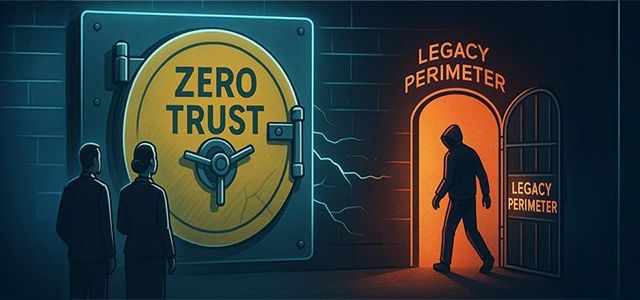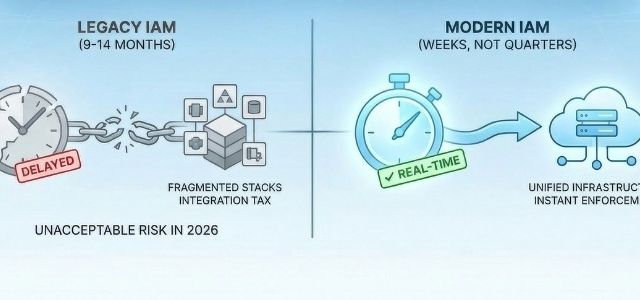
Every vendor calls their platform “converged.” Here’s the real test for telling a system built as one from day one apart from one bolted together.
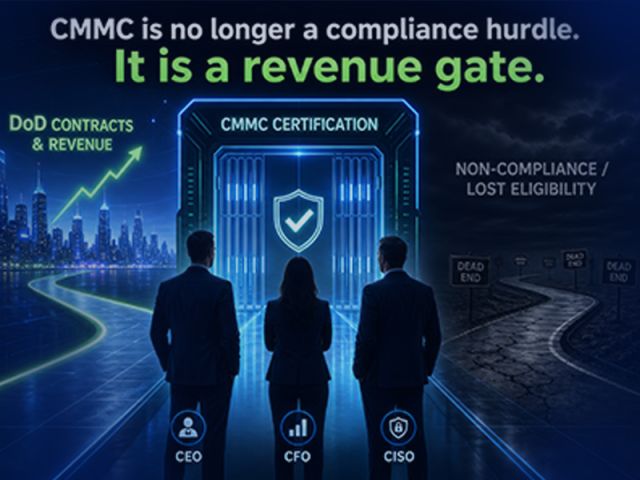
CMMC is transforming cybersecurity from a back-office compliance function into a front-line business requirement. Once fully implemented, CMMC will determine which organizations can win or renew DoD contracts. That means the economic buyer is no longer just the CISO. It is the CFO, the COO, and increasingly the CEO.

Every enterprise deploying AI agents faces the same structural problem.
IAM teams need to govern agent identity, who the agent is, what it can access, who owns it, how it authenticates. GRC teams need to govern agent behaviour what it actually did, what decision it made, whether it can be proven to have operated within policy.

Organizations spent years learning how to manage Shadow IT.
Unsanctioned applications. Unknown cloud services. Departments adopting technology faster than governance teams could keep up.
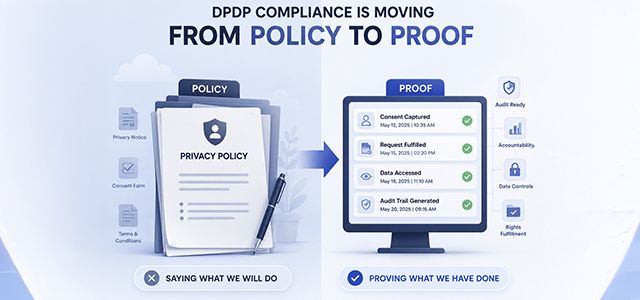
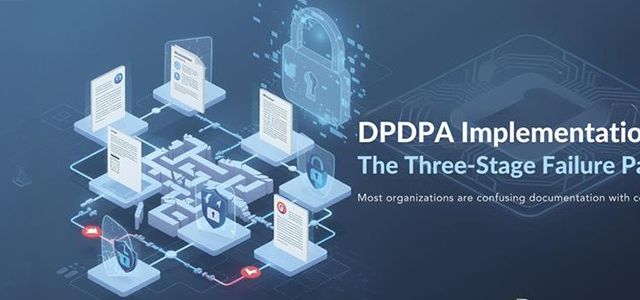
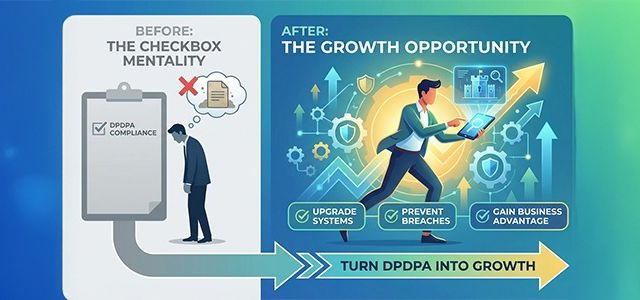
For years, privacy compliance was largely a documentation exercise.
Organizations focused on privacy policies, consent forms, terms of use, and legal disclosures. The assumption was simple: if the right documents existed, compliance would follow.
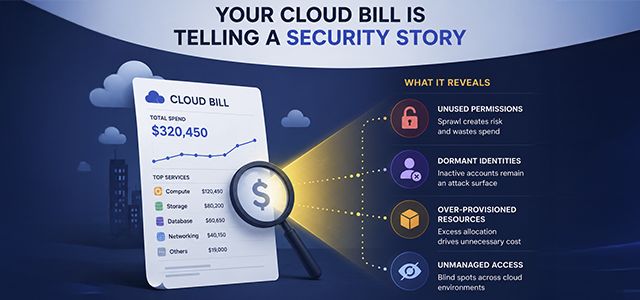
Cloud waste and cloud risk are often symptoms of the same problem: lack of governance.
Most organizations look at their cloud bill for one reason.

Everyone is talking about consent management.
Cookie banners. Privacy notices. Consent workflows.
But the harder part of DPDPA is not consent. It is correction, completion, and updating of personal data.

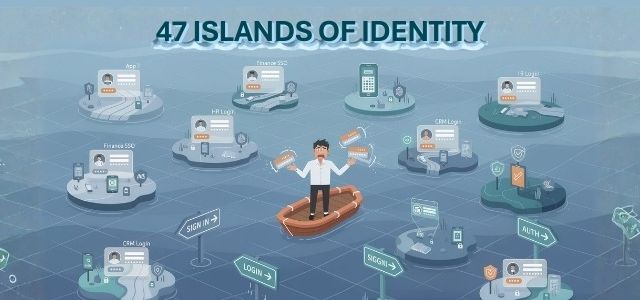
Today, enterprises are operating in an environment where identity, data, cloud, and AI are all expanding at once. Each new platform promises speed. Each new integration promises flexibility. But the real outcome is often more fragmentation, more duplication, and more blind spots.
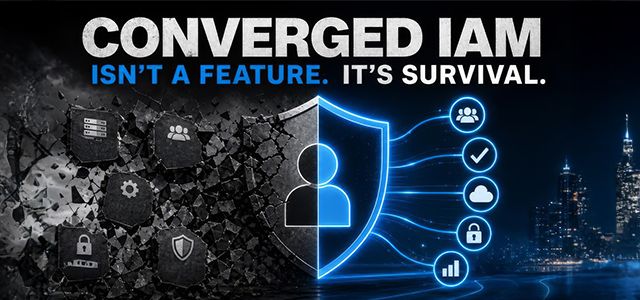
Every vendor claims “converged IAM.”
Unified platform. Single pane of glass. Integrated governance.
Then you ask: “Can it govern AI agents?”
Silence.

If you sell into enterprise cloud or security, something has shifted in the last eighteen months. The economic buyer isn’t who you used to talk to.
Three years ago, identity governance lived inside security. The CISO bought it. Auditors cared. Finance signed POs. That sequence has reversed as cloud spend management became the top challenge for 84% of organizations (Flexera 2026).


When we talk about data protection regulation, the conversation almost always defaults to risk. Penalties. Enforcement. Liability. What happens if you get it wrong.