There’s a conversation happening in every Indian boardroom right now. It starts with anxiety about DPDPA compliance deadlines and usually ends with someone calculating the cost of implementation.
But here’s what most organizations are missing: While you’re worried about the cost of compliance, your competitors are discovering the value of transformation.
The ₹250 Crore Question
Let’s address the elephant in the room first. The Digital Personal Data Protection Act isn’t just another regulatory checkbox. Non-compliance can result in penalties up to ₹250 crore. That number alone has kept many CISOs up at night.
But here’s the uncomfortable truth: The real cost of non-compliance isn’t the penalty—it’s the business disruption, customer trust erosion, and competitive disadvantage that comes with a data protection incident.
When your organization faces a data breach or compliance violation:
- Customer acquisition costs increase by 30-40% as trust evaporates
- Sales cycles extend as prospects demand proof of compliance
- Insurance premiums spike
- Top talent becomes harder to attract and retain
- Board-level credibility takes years to rebuild
The penalty is just the beginning of a very expensive story.
The Global Retrofit vs. The Indian Opportunity
Here’s where it gets interesting.
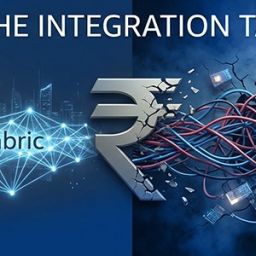
Right now, global enterprises are spending millions retrofitting decades-old IAM systems to meet DPDPA requirements. They’re bolting on compliance modules to platforms that were never designed for real-time access intelligence. They’re hiring armies of consultants to make legacy systems speak to each other.
Indian enterprises don’t have that baggage.
You’re not constrained by 20-year-old architecture decisions. You’re not weighed down by technical debt that costs more to fix than to replace. You have the opportunity to build modern identity infrastructure from the ground up—infrastructure that makes compliance automatic, not aspirational.
This is India’s leapfrog moment in enterprise security.
Just as India skipped landlines and went straight to mobile, Indian enterprises can skip legacy IAM and go straight to identity fabric architecture. While global competitors are still untangling their compliance spaghetti, you can be three steps ahead.
What Makes the Difference: Reactive vs. Proactive Security Posture
Let’s be honest about what separates organizations that see DPDPA as burden from those seeing it as opportunity:
Reactive Compliance Approach:
- Waiting until the last minute to implement
- Treating identity management as an IT project, not a business transformation
- Building for “minimum viable compliance”
- Manual processes that break under pressure
- Quarterly access reviews that are already outdated
Proactive Security Transformation:
- Using DPDPA as catalyst for modernization
- Treating identity as infrastructure, not a tool
- Building for continuous compliance, not point-in-time audits
- Automated intelligence that scales with growth
- Real-time visibility into every access decision
The difference? Organizations in the second category aren’t just complying—they’re competing.
The Identity Fabric Advantage for DPDPA
Here’s what modern identity infrastructure enables for DPDPA compliance:
Real-time Access Intelligence
- Know who accessed what, when, and why—instantly
- Automated audit trails that don’t require manual log compilation
- Contextual access decisions based on risk factors
Proactive Insider Threat Prevention
- Behavioral analytics that catch anomalies before they become incidents
- Automated response to suspicious patterns
- Continuous monitoring vs. quarterly reviews
Automated Compliance Reporting
- One-click compliance dashboards for auditors
- Automated evidence collection across all systems
- Continuous compliance vs. pre-audit panic
Scalable Governance
- Policies that enforce themselves
- Access that adjusts dynamically to risk
- Compliance that doesn’t slow down business
This isn’t about having better tools. It’s about having infrastructure that makes compliance inevitable, not aspirational.
The Competitive Moats DPDPA Creates
Here’s what few people are talking about: DPDPA creates competitive moats.
Once you’ve built modern identity infrastructure for DPDPA compliance, you have capabilities your competitors don’t:
- Faster Partner Onboarding: Secure access for vendors and partners in hours, not weeks
- Accelerated M&A Integration: Identity infrastructure that makes acquisitions seamless
- Premium Customer Trust: Demonstrable security posture that justifies premium pricing
- Regulatory Arbitrage: Ready for the next regulation (because there’s always a next regulation)
- Operational Efficiency: Security that enables velocity, not inhibits it
These advantages compound over time. While competitors are still retrofitting for DPDPA, you’re already building your next competitive advantage.
The Strategic Questions Every Board Should Ask
If you’re on a leadership team, here are the questions that matter:
- Are we building for compliance or building for the future? Compliance is the floor, not the ceiling
- Can we demonstrate our security posture in real-time? If it takes you days to answer audit questions, you’re not ready
- Is our identity infrastructure a business enabler or a business blocker? The right answer changes your ROI calculation
- Are we using DPDPA to leapfrog competitors or just catch up? Same compliance effort, different strategic outcomes
- What happens on Day 31 after we achieve compliance? If the answer is “nothing,” you’ve missed the opportunity
The India-First Perspective
Here’s why this moment matters specifically for Indian enterprises:
Global Context: India’s DPDPA comes at a time when global enterprises are already struggling with GDPR fatigue, California privacy law complexity, and dozens of other regulations. They’re exhausted.
Indian Advantage: You get to learn from their mistakes. You get to build once, build right, and build for the future.
Market Opportunity: As India becomes a global digital services hub, your security maturity becomes a competitive advantage in winning international business.
Talent Magnet: Organizations with modern security infrastructure attract better talent. Top security professionals want to work where they can do their best work—not fight legacy systems.
The Cost of Waiting
Let’s talk about the other side of this equation: what happens if you wait?
Q1 2026: Early adopters are already using DPDPA compliance as sales differentiator Q2 2026: Customers start asking for DPDPA compliance proof before signing contracts Q3 2026: First major penalties are announced; insurance costs spike for non-compliant organizations Q4 2026: Job candidates start asking about DPDPA readiness during interviews
Every quarter you wait, the competitive gap widens.
What This Means for You
If you’re a CISO or CTO reading this, you have a choice right now:
Option 1: Treat DPDPA as a compliance project
- Minimum viable implementation
- Focus on avoiding penalties
- Deploy, check box, move on
Option 2: Treat DPDPA as a transformation catalyst
- Build modern identity infrastructure
- Create competitive advantages
- Enable business velocity
The budget might be similar. The effort might be comparable. But the outcomes? Worlds apart.
The Path Forward
Here’s what we recommend for organizations that want to make DPDPA their competitive advantage:
Phase 1: Assess with Intelligence (Weeks 1-2)
- Understand your complete identity landscape
- Identify gaps between current state and DPDPA requirements
- Map compliance requirements to business opportunities
Phase 2: Architect for the Future (Weeks 3-4)
- Design identity fabric that makes DPDPA compliance automatic
- Plan for scalability beyond initial compliance
- Build in intelligence, not just governance
Phase 3: Implement with Velocity (Weeks 5-12)
- Deploy unified identity infrastructure
- Automate compliance workflows
- Enable real-time visibility and control
Phase 4: Operationalize the Advantage (Week 13+)
- Use compliance posture as sales accelerator
- Continuously improve security intelligence
- Stay ahead of next regulatory wave
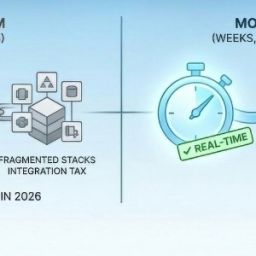
Notice we’re talking weeks, not years. That’s the difference modern architecture makes.
The Bottom Line
DPDPA is happening. That’s not in question.
What is in question: Will you use it as a springboard or a stumbling block?
The organizations that see DPDPA as opportunity aren’t smarter than you. They’re not better funded. They just made a different strategic choice: to build for the future while solving for today.
Your competitors are making their choices right now. Some are panicking about compliance. Others are quietly building the identity infrastructure that will power their next decade of growth.
Which camp will your organization be in?
Source: Click Here